Introduction
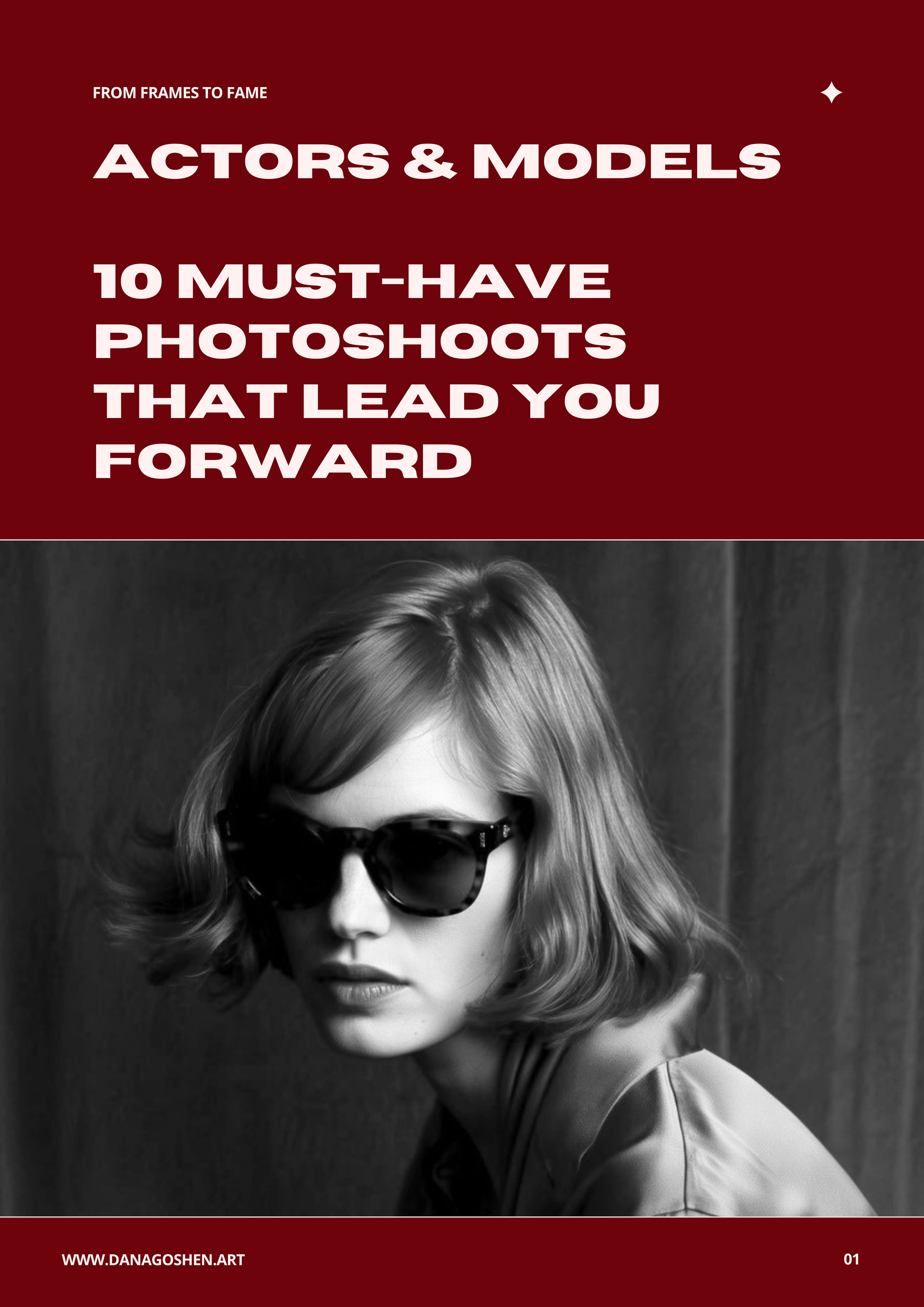
For actors and models, images are often the first point of contact.
That first impression can shape how your presence, range, and potential are understood.
Personal branding photography helps bring more clarity and intention to that process.
In this article, we look at how it supports stronger positioning in a highly image-led industry.
The Role of Personal Branding Photography
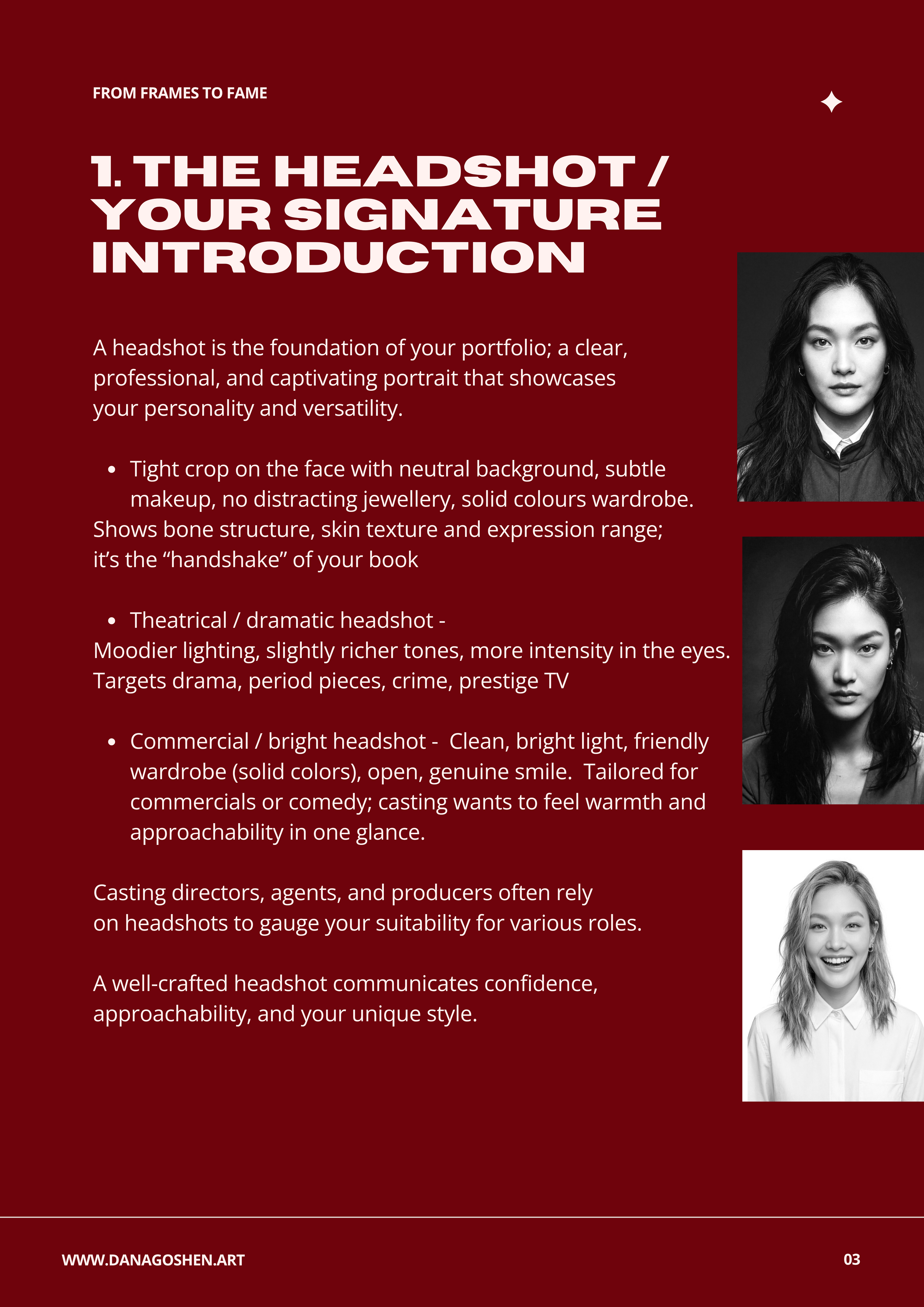
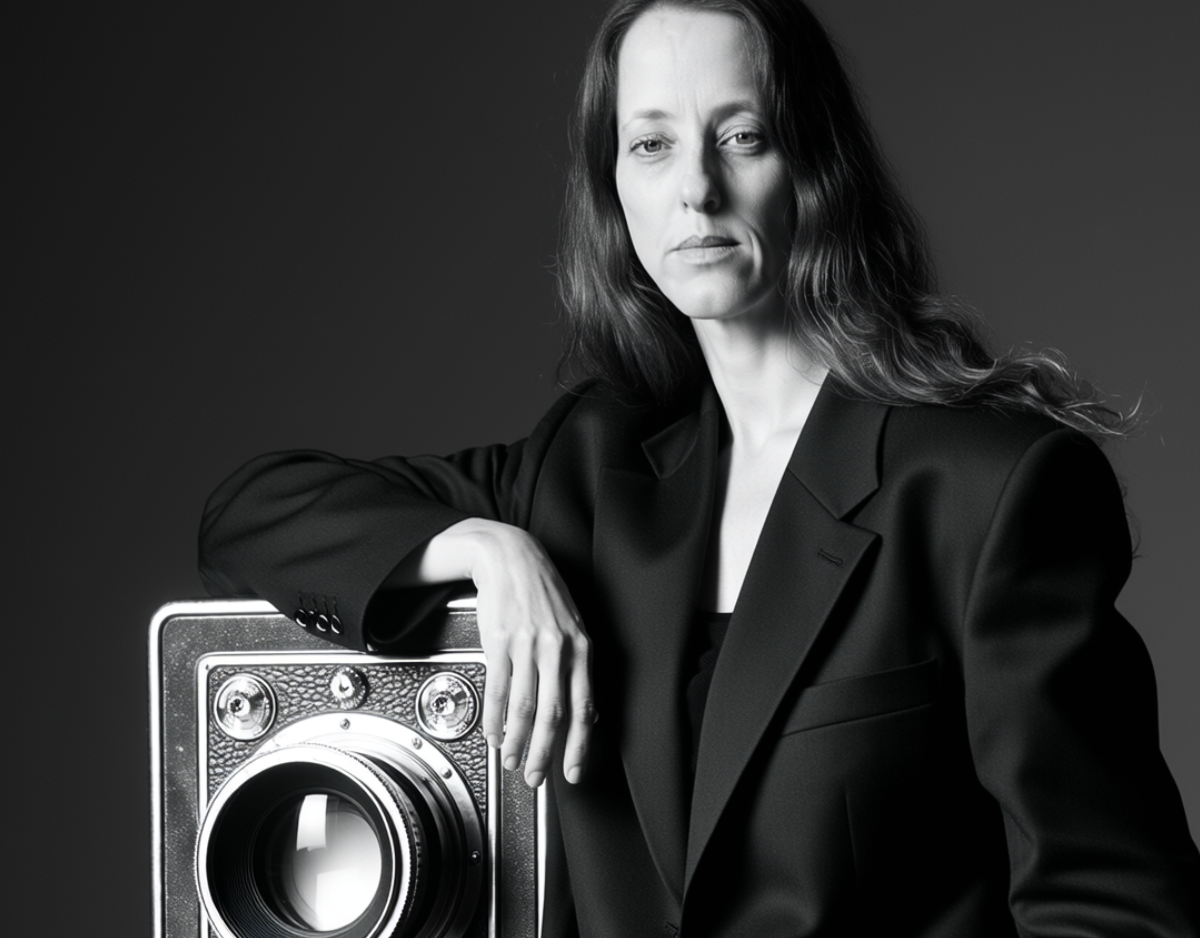
Your portfolio or headshot is often the basis on which people begin to read you.
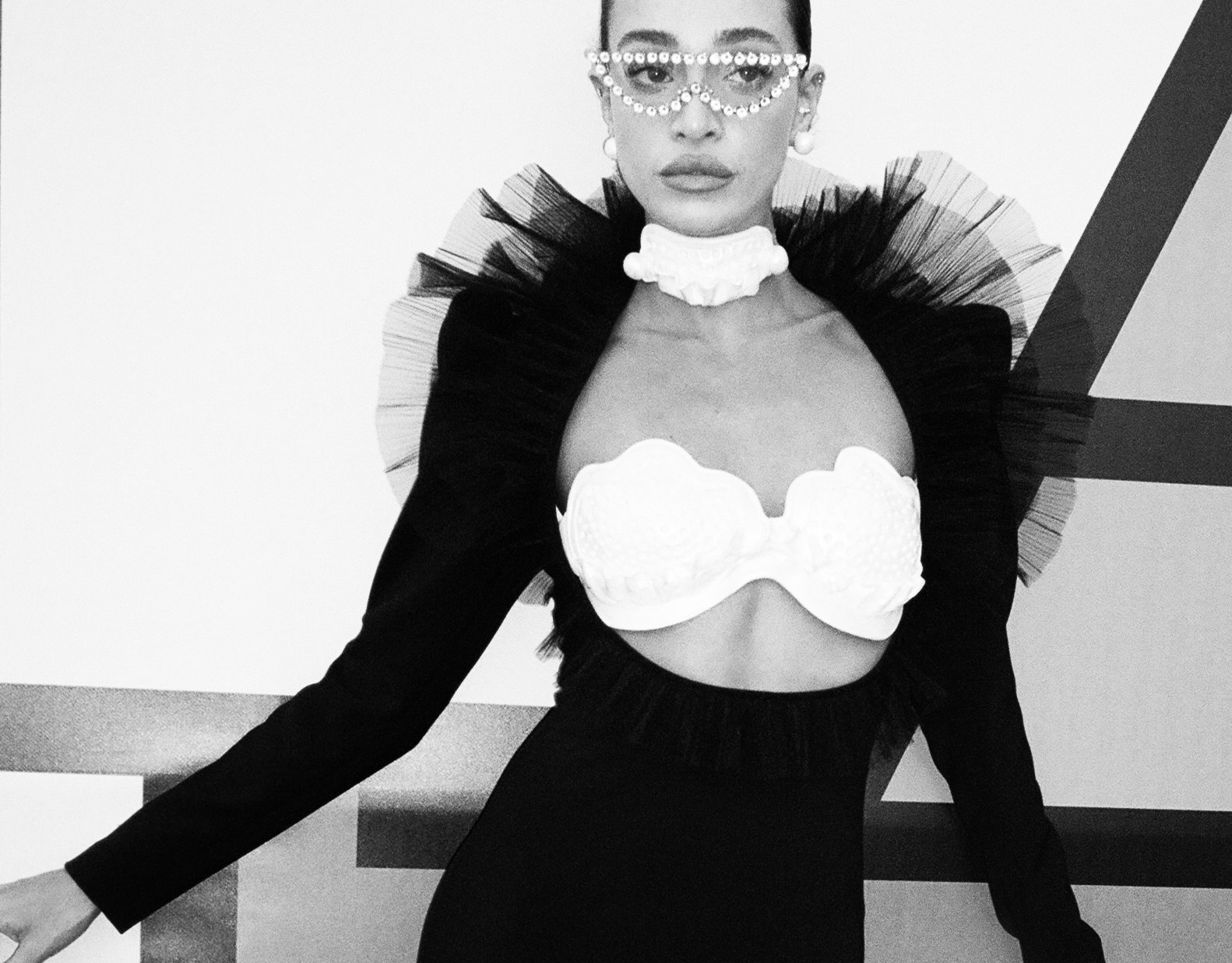
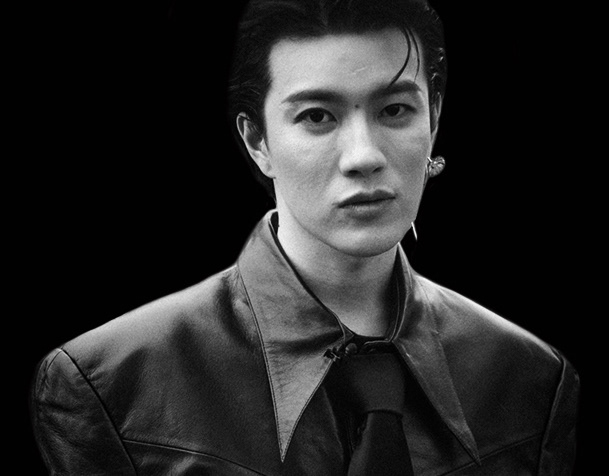
A strong image gives context. It suggests tone, range, casting potential, and the kind of professional identity you are building.
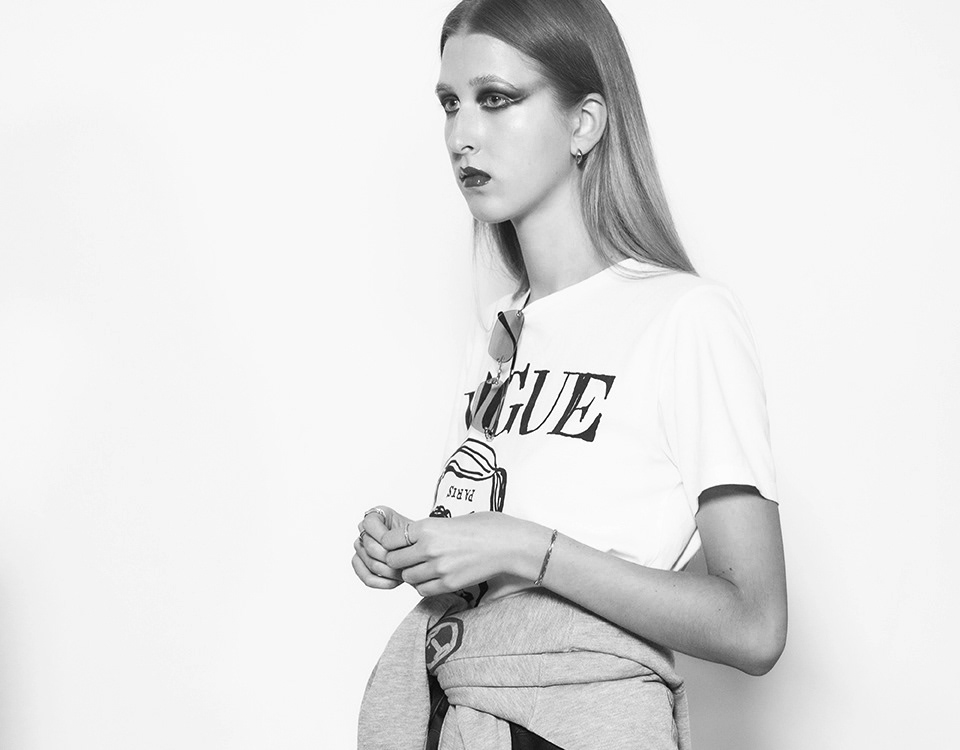
Personal branding photography makes that reading more intentional. Instead of relying on a few attractive images, it creates a visual body of work that reflects who you are and supports how you want to be perceived.
As casting teams and agencies increasingly rely on digital tools, your photos need to be clear, specific, and aligned with your direction.
Thoughtful branding photography helps make your features, range, and professional identity easier to recognize at a glance.
Customization: Strengthening Your Brand
Authenticity
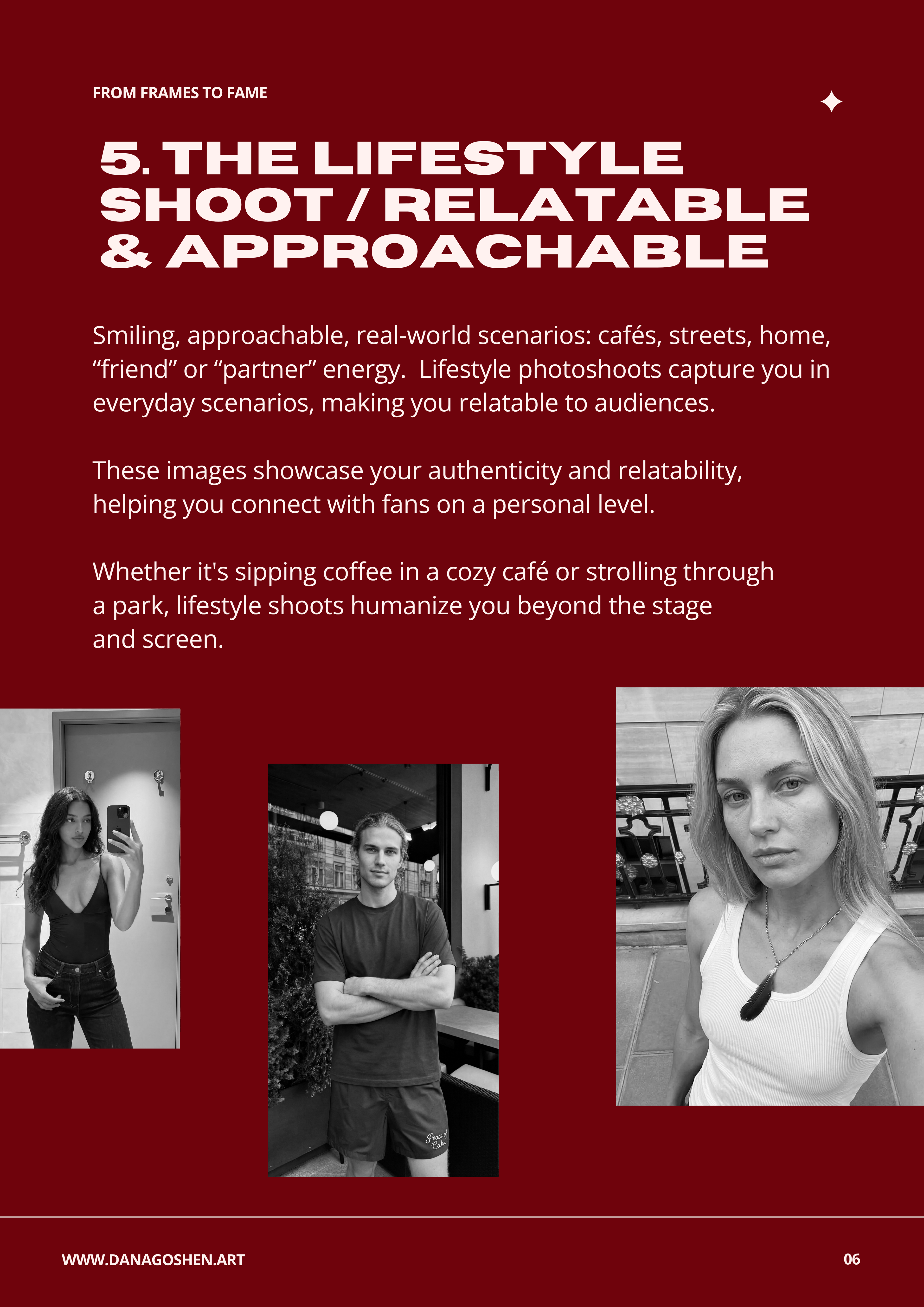
Personalized branding photography should reflect a version of you that feels real and recognizable.
That does not mean casual or unconsidered. It means creating images that feel aligned with your personality, energy, and how you want to be understood professionally.
Versatility
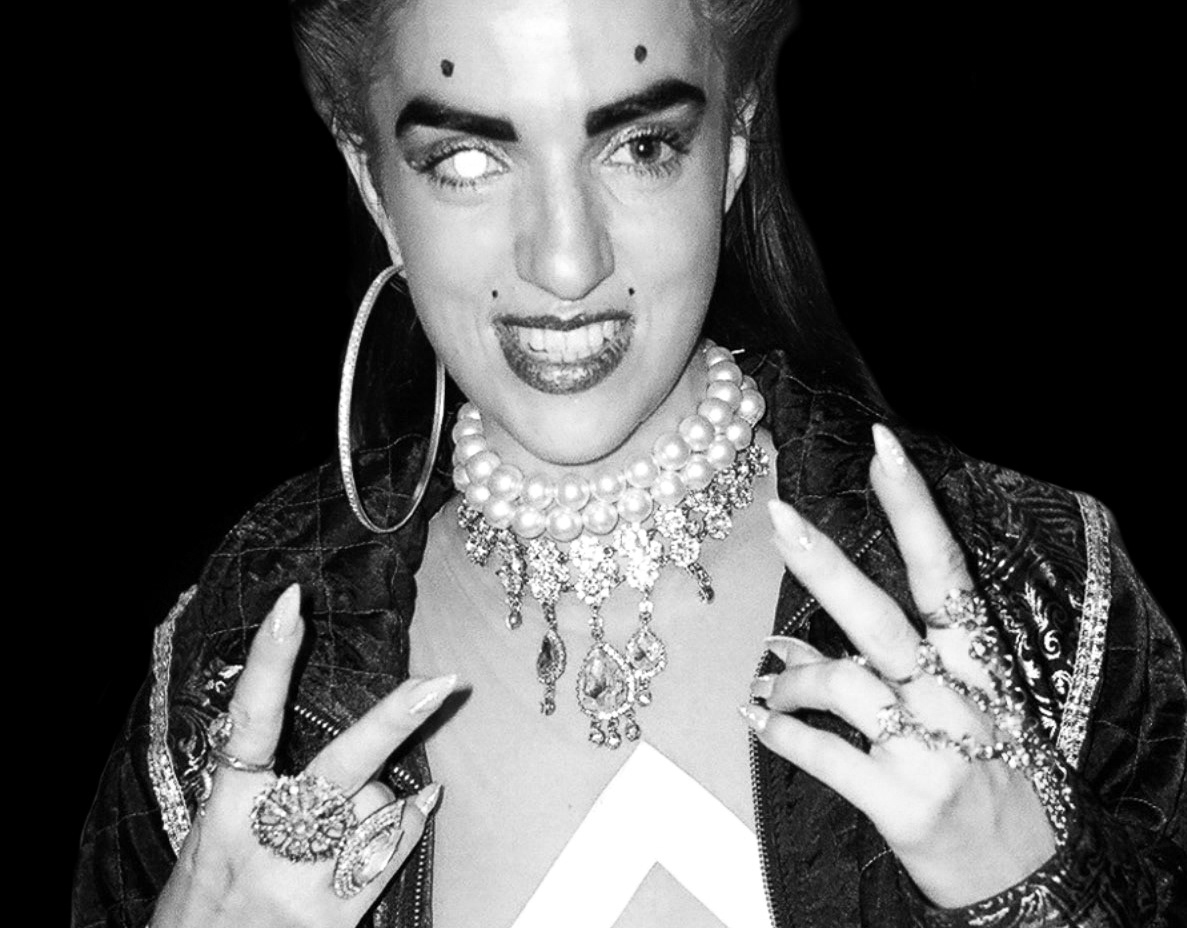
Actors and models are rarely chosen for one fixed quality alone. Range matters.
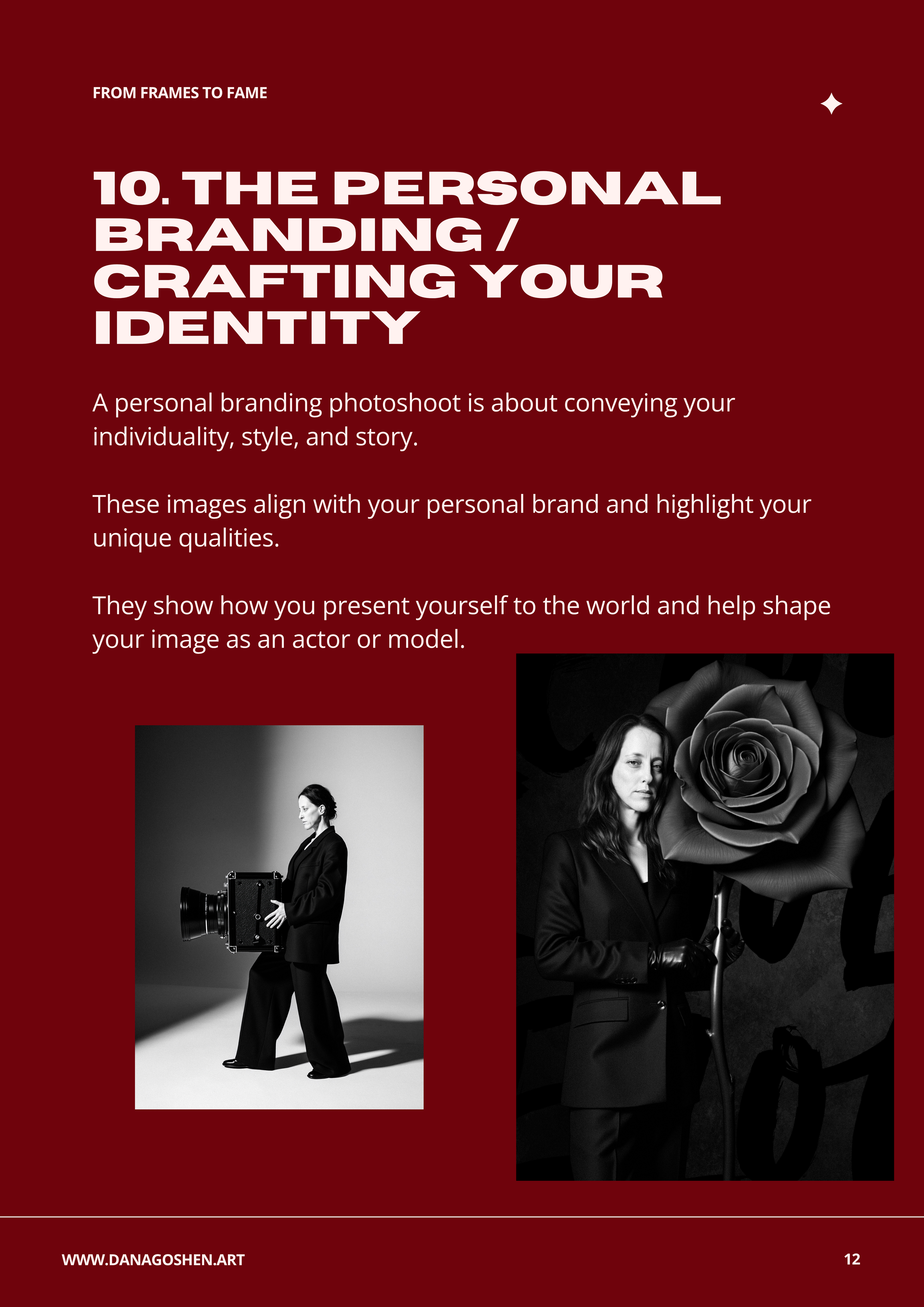
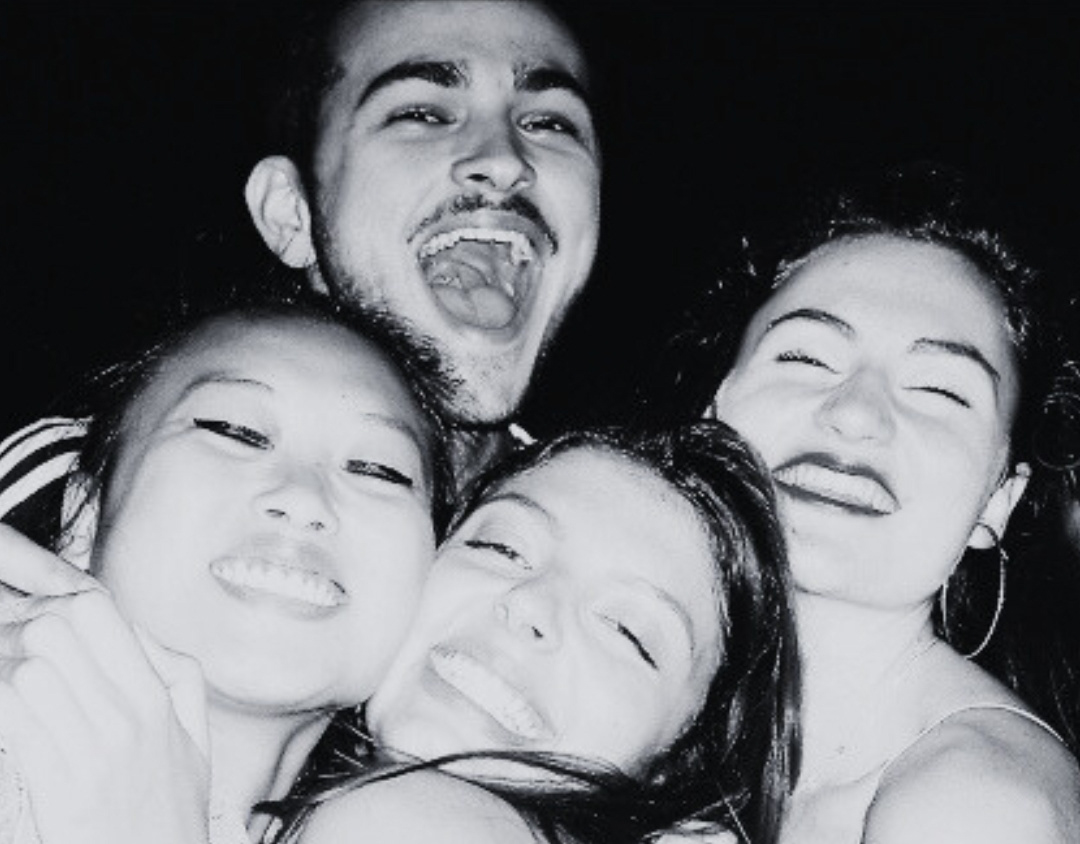
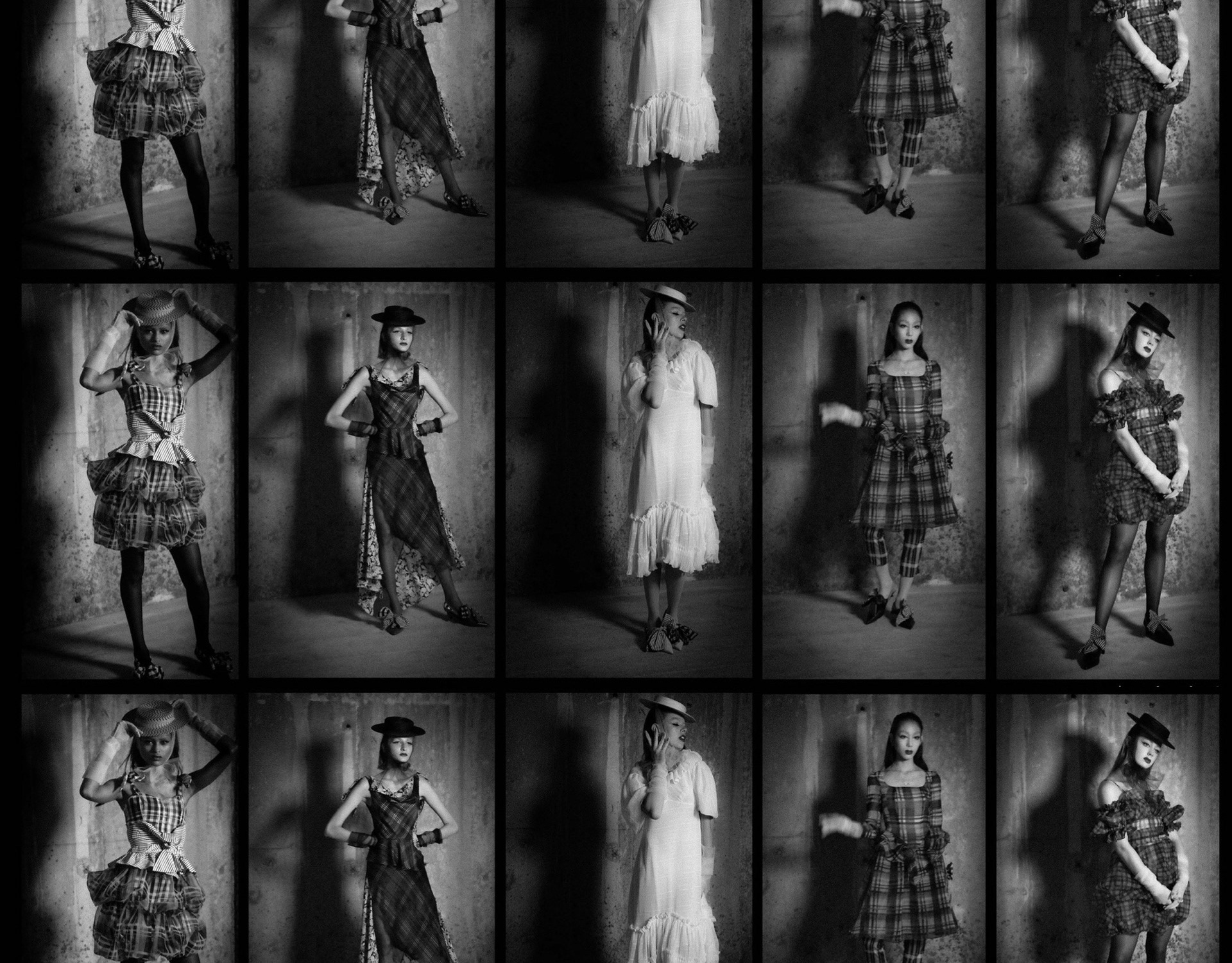
A strong set of images can show different energies, moods, and dimensions without losing coherence.
The goal is not to look like a different person in every frame, but to show flexibility within a clear identity.
Presence
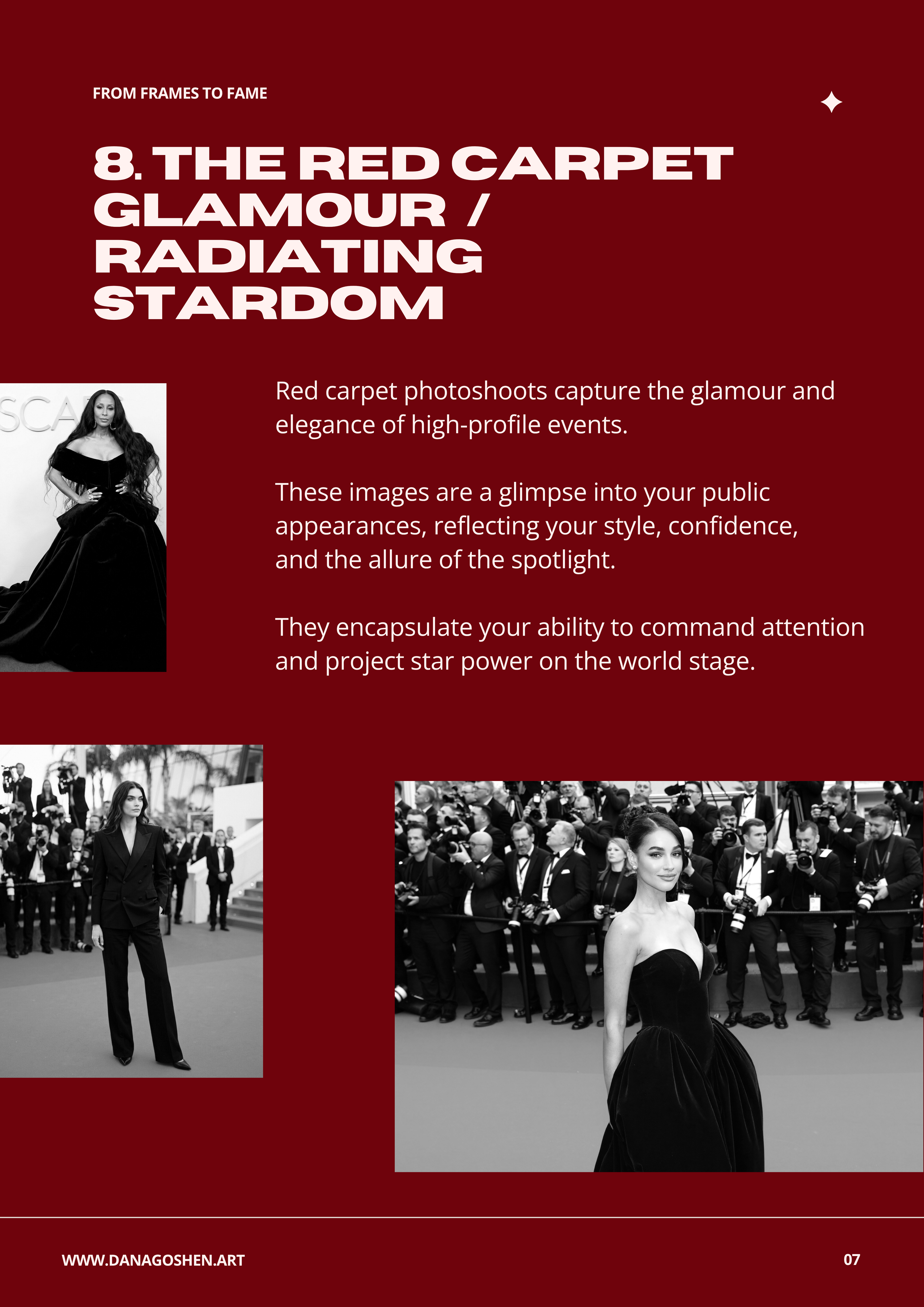
Casting is often about whether someone can hold attention, convey expression, and communicate something immediately.
Presence, confidence, and emotional clarity all affect how an image is read, and whether it feels compelling.
Character
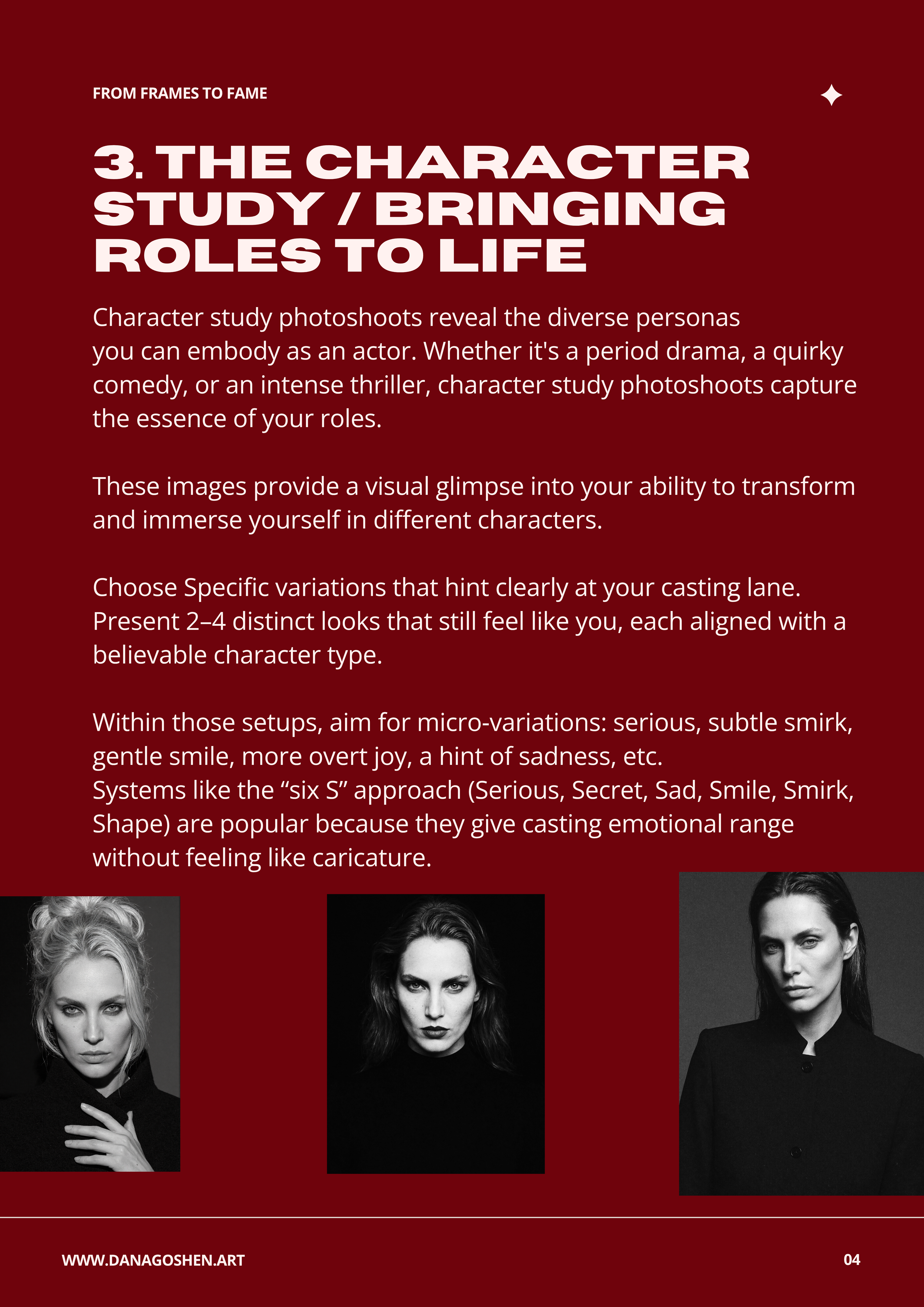
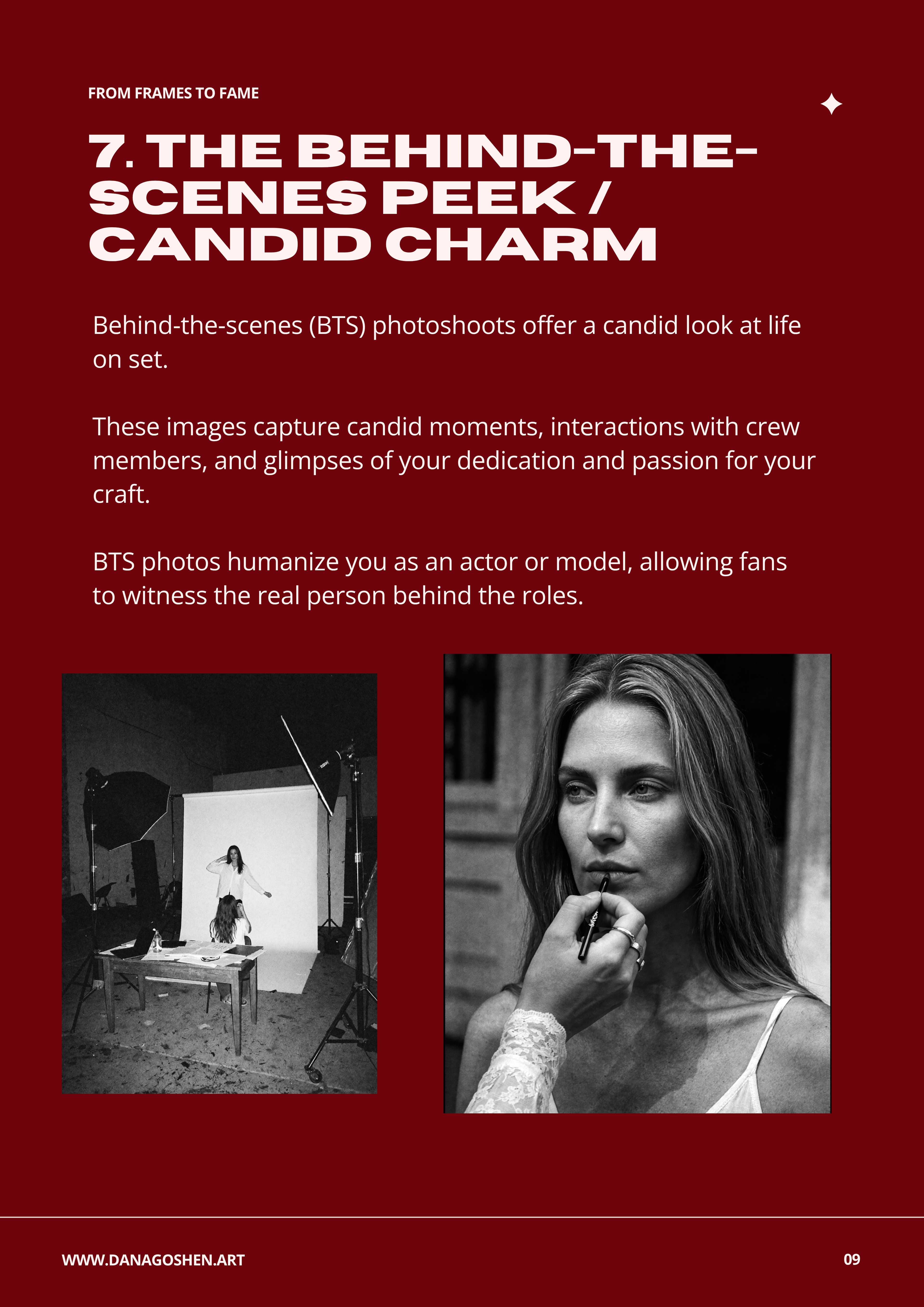
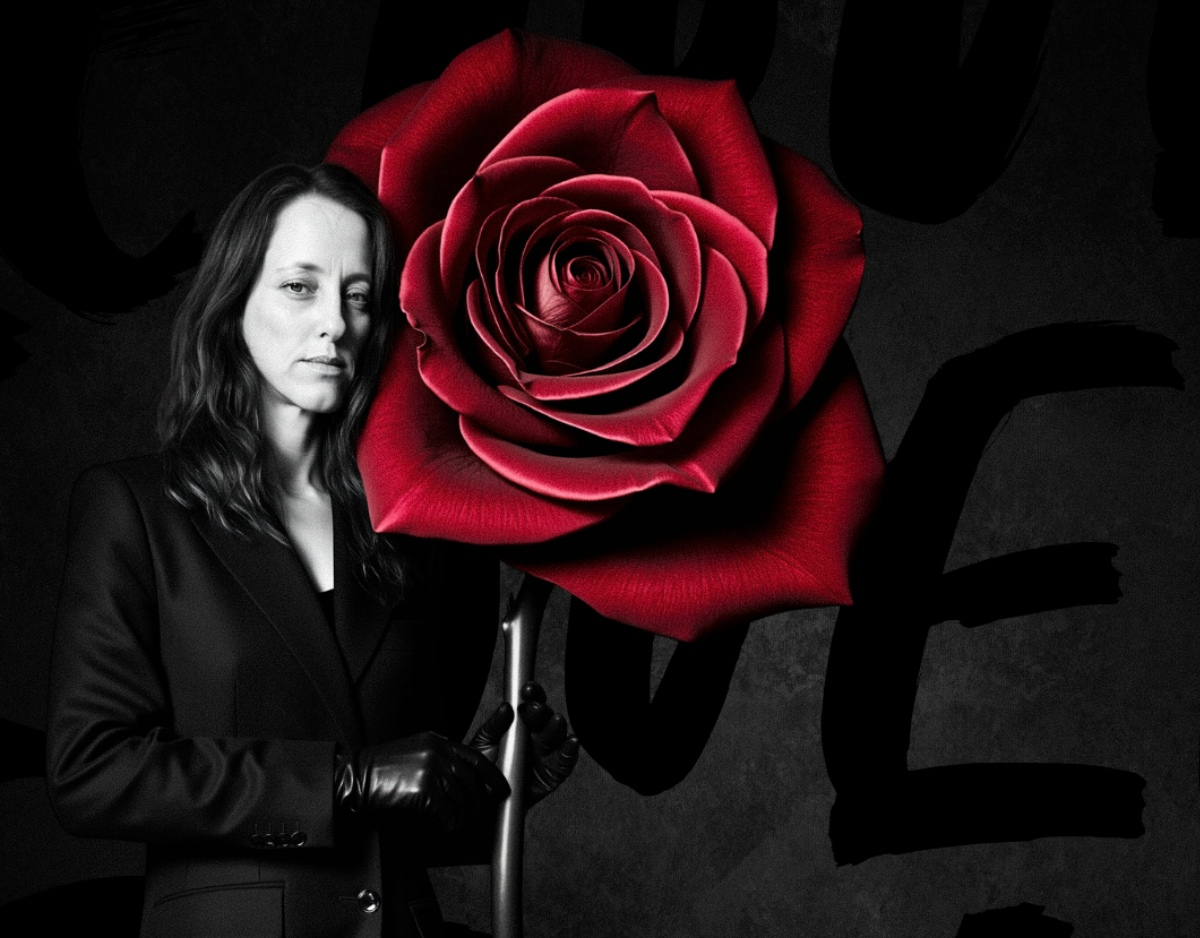
Branding photography can also support character exploration.
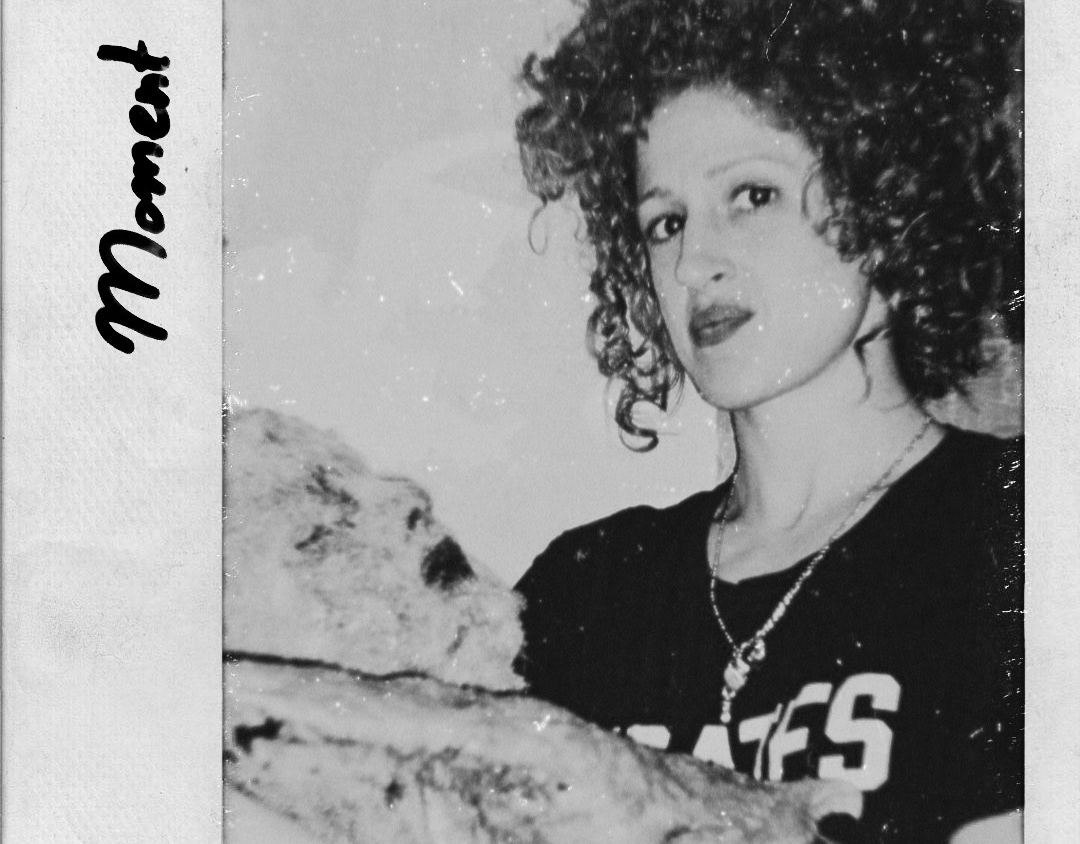
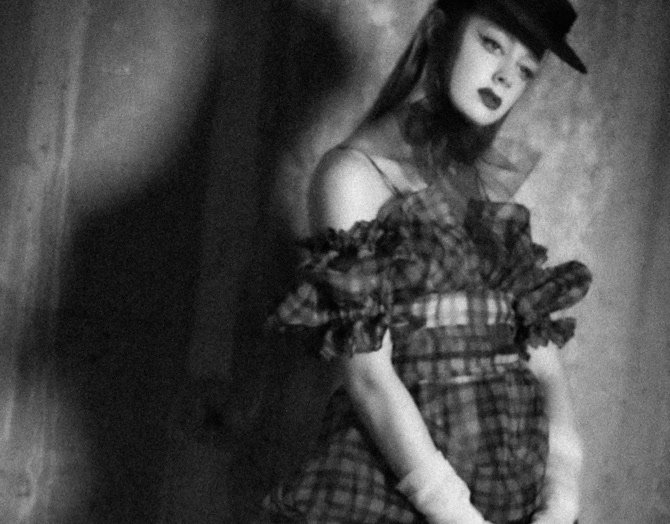
It allows you to embody specific tones, roles, or personas that connect with the kind of work you want to attract. This can help others more easily imagine your potential.
Consistency
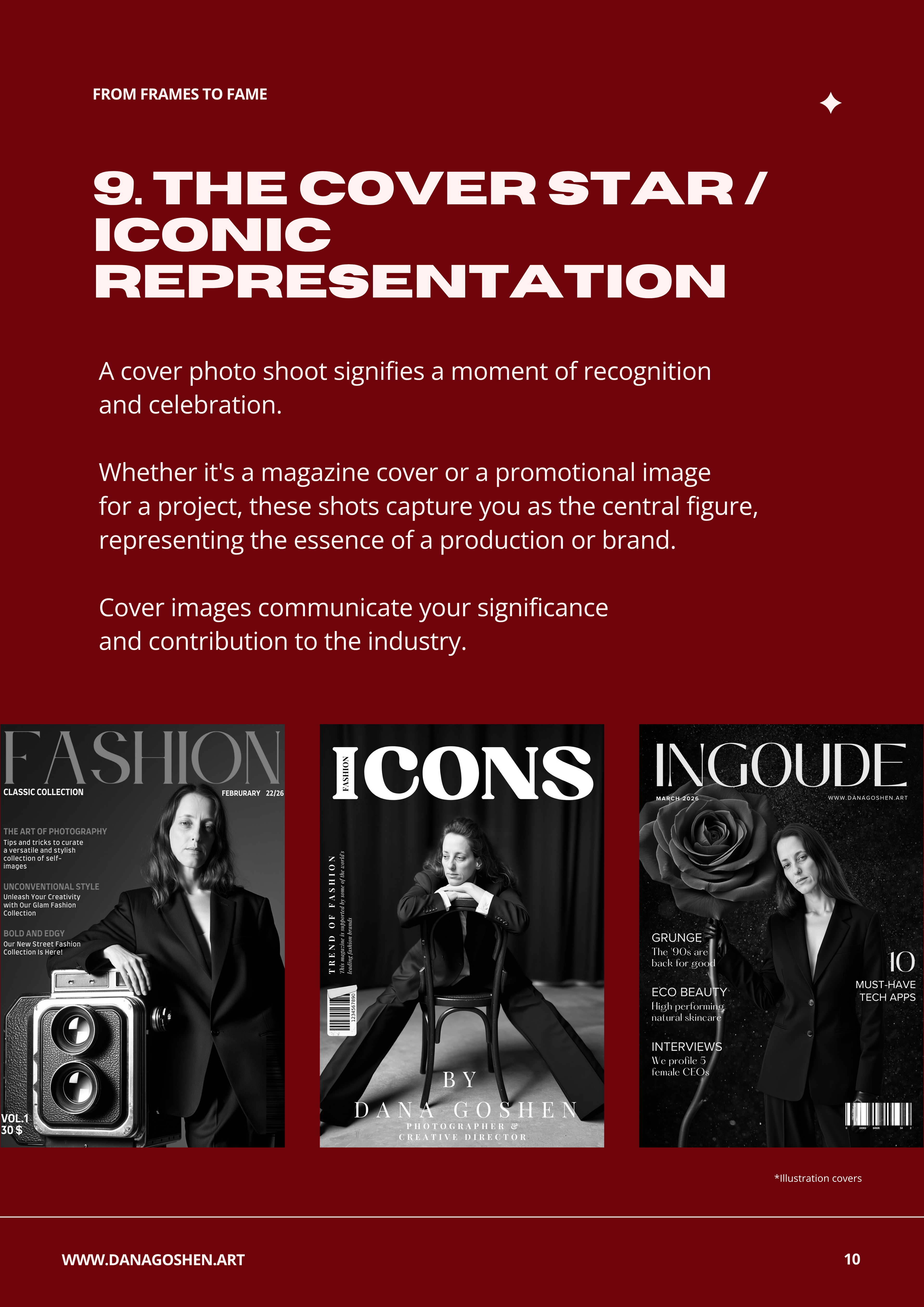
A strong personal brand comes from a body of work that feels intentional.
When styling, mood, expression, and image selection are aligned, your portfolio becomes more coherent and more memorable.
How to Create Strong Personal Branding Photography
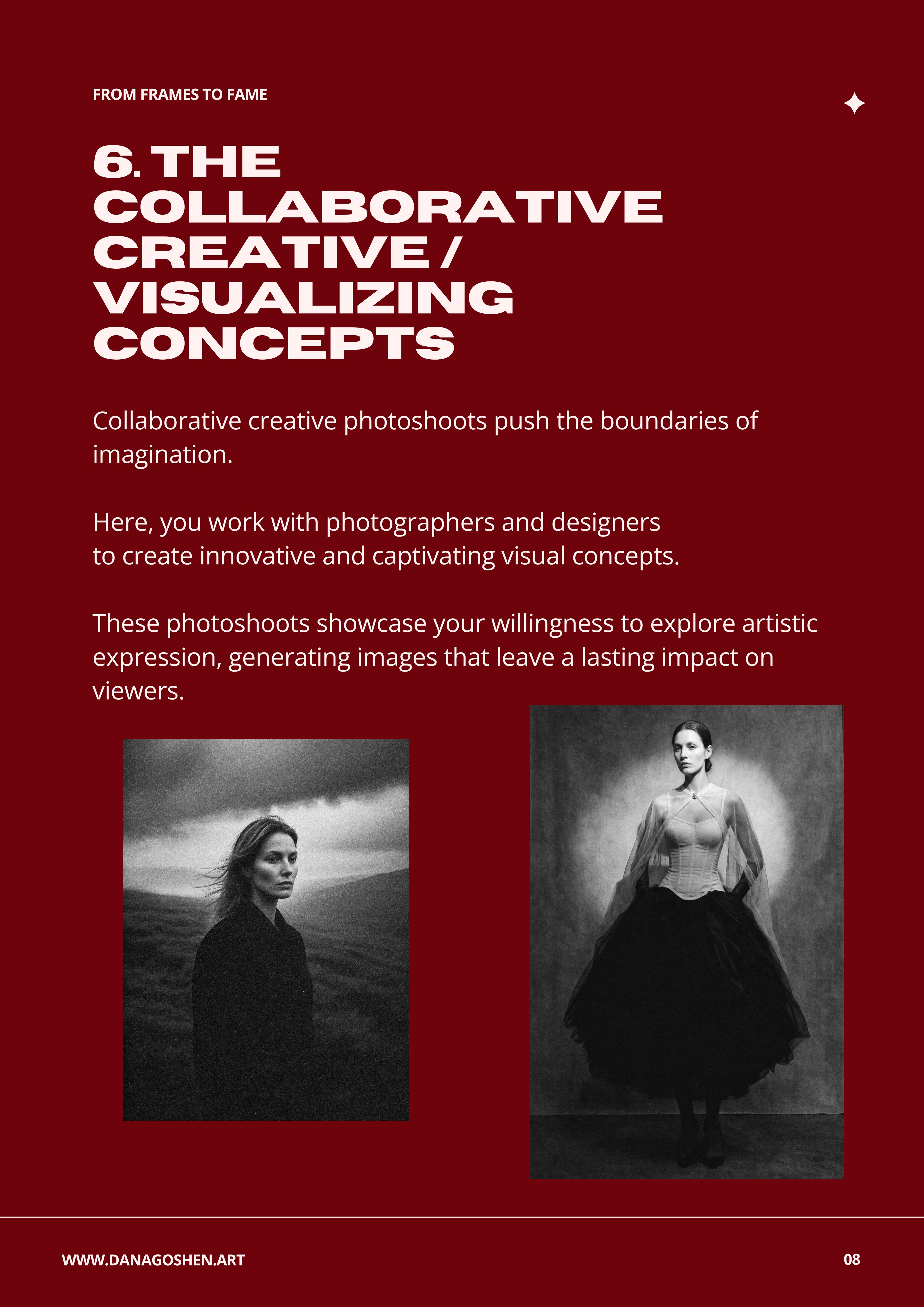
Collaboration
The process starts with clarity. Work with a photographer who understands your goals, your professional direction, and the qualities you want your images to communicate.
Styling
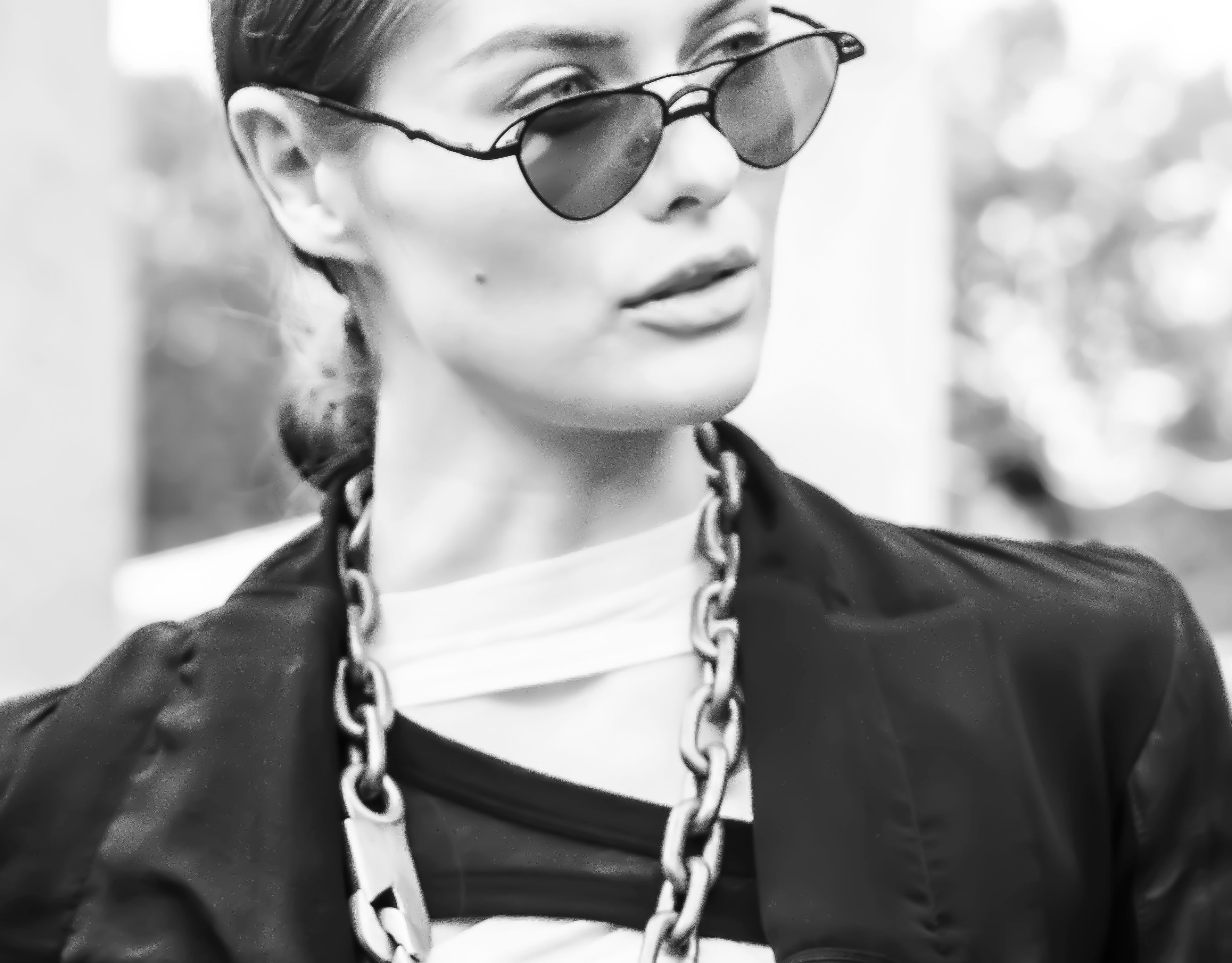
Wardrobe should support the visual language of the shoot. Each look should add something distinct, whether that is structure, softness, edge, restraint, or versatility.
Location
Background and setting affect how an image is interpreted.
A location does not need to be dramatic, but it should feel relevant to the tone and identity you want to convey.
Expression and Body Language
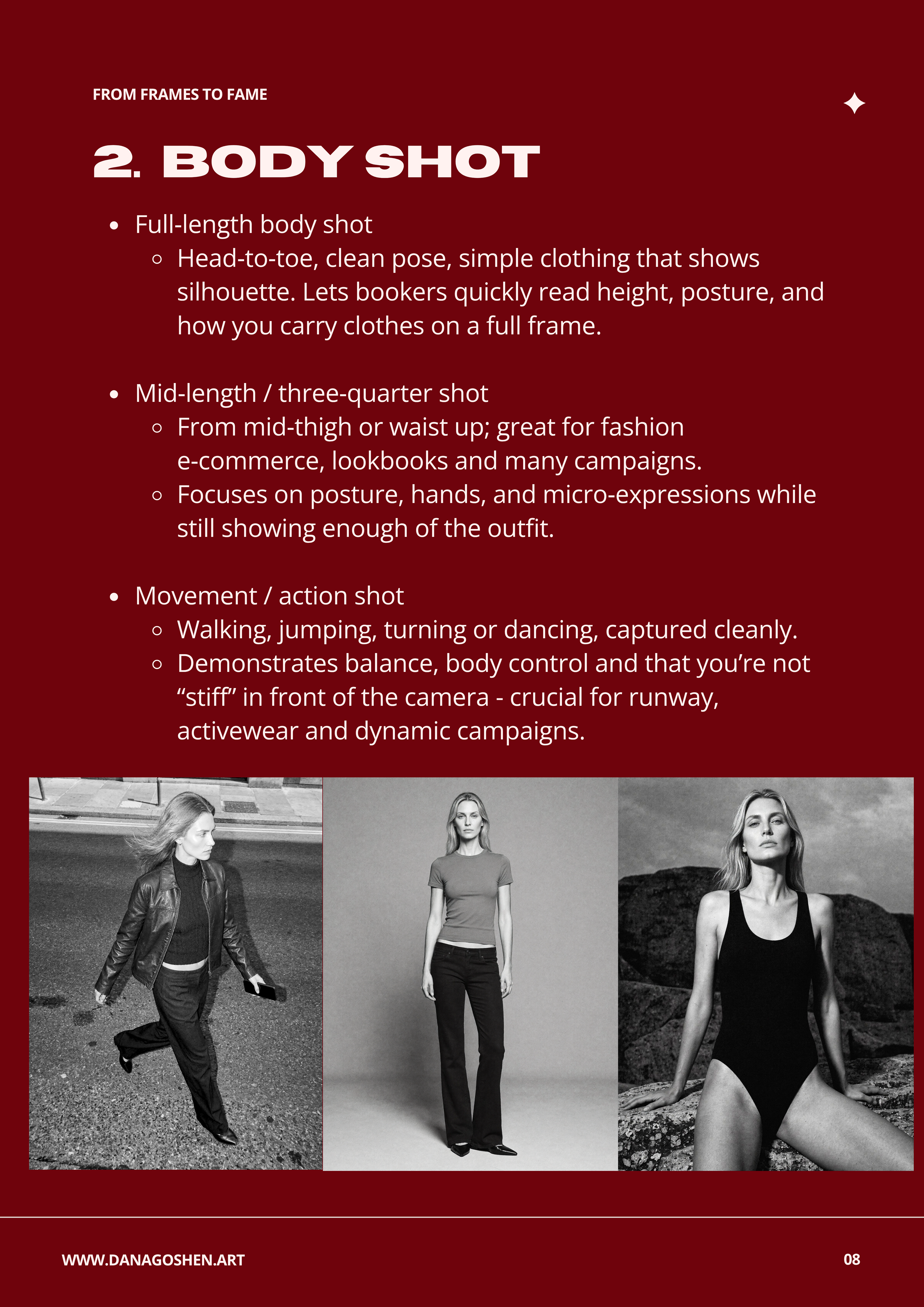
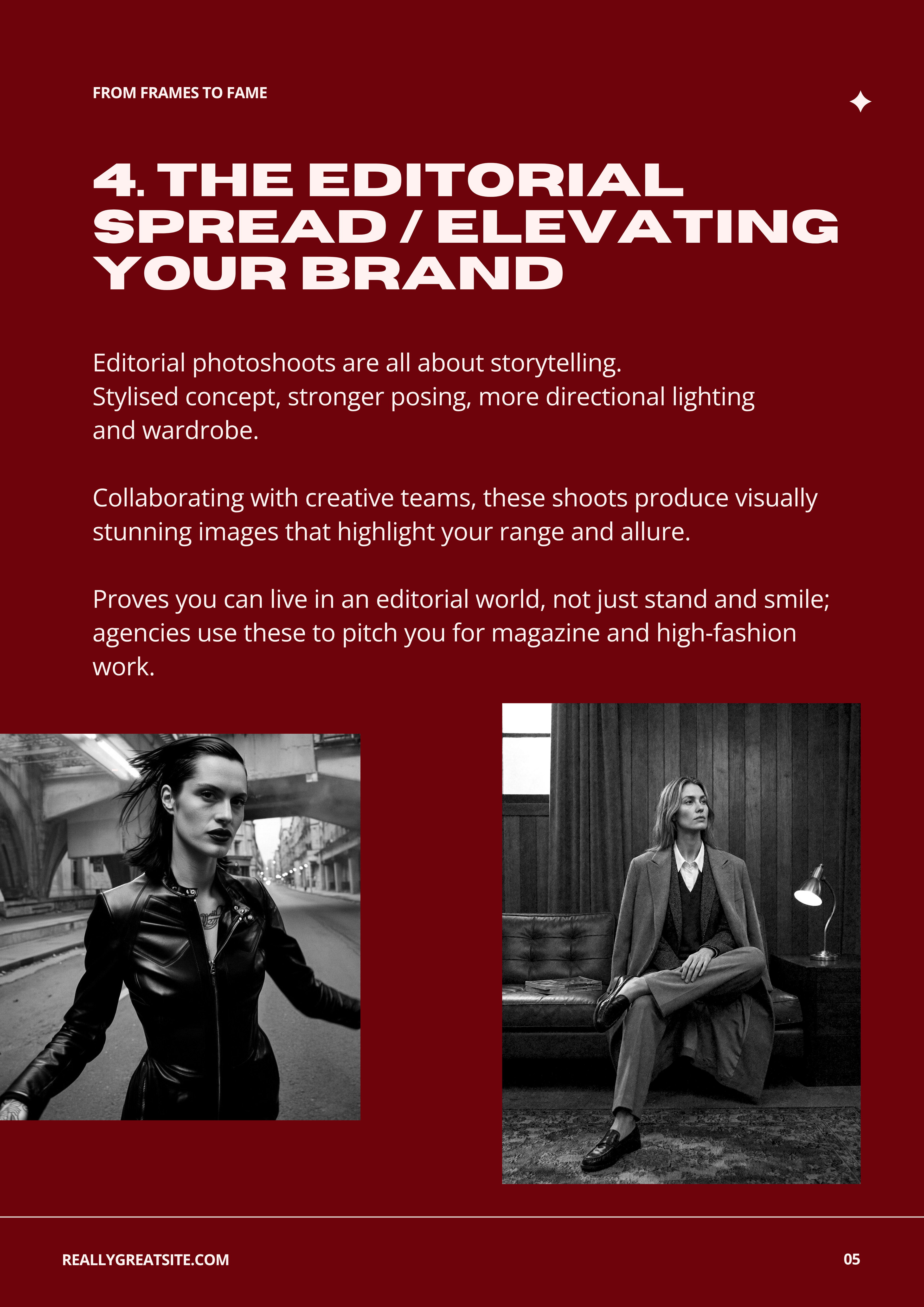
The way you hold yourself matters as much as the styling or lighting. Small differences in expression, posture, and movement can completely change how an image is read.
Image Selection
A strong portfolio is built as much in the editing as in the shoot itself. The most useful images are not always the most striking in isolation.
They are the ones that contribute to a clear and convincing overall impression.
Range
A well-structured portfolio should include variation, but not randomness.
Different moods, looks, and energies should still feel connected to the same person and professional identity.
Conclusion
Personal branding photography is about making what is already there easier to see.
For actors and models, that means building a visual body of work that communicates presence, range, and direction with clarity.
In an industry where first impressions are often made digitally, that clarity matters.
When done well, personal branding photography improves how you look,
and mostly, it improves how you are read.
From Frames to Fame