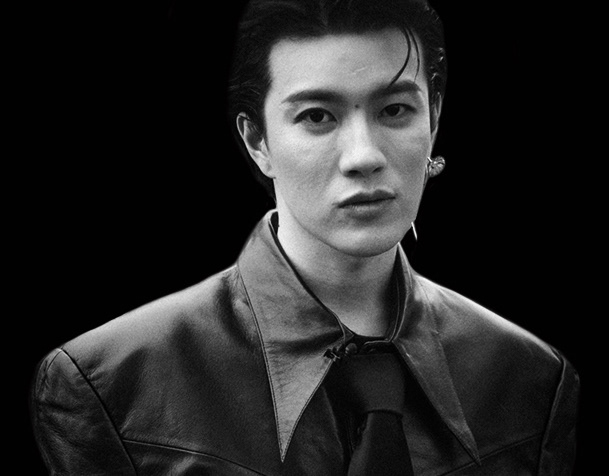
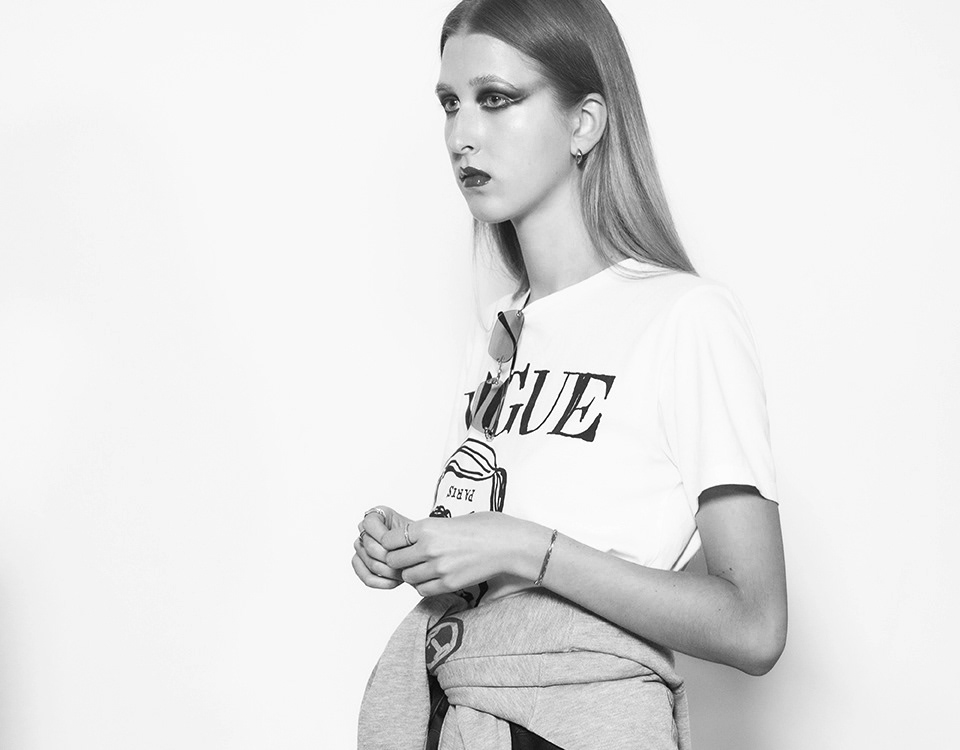
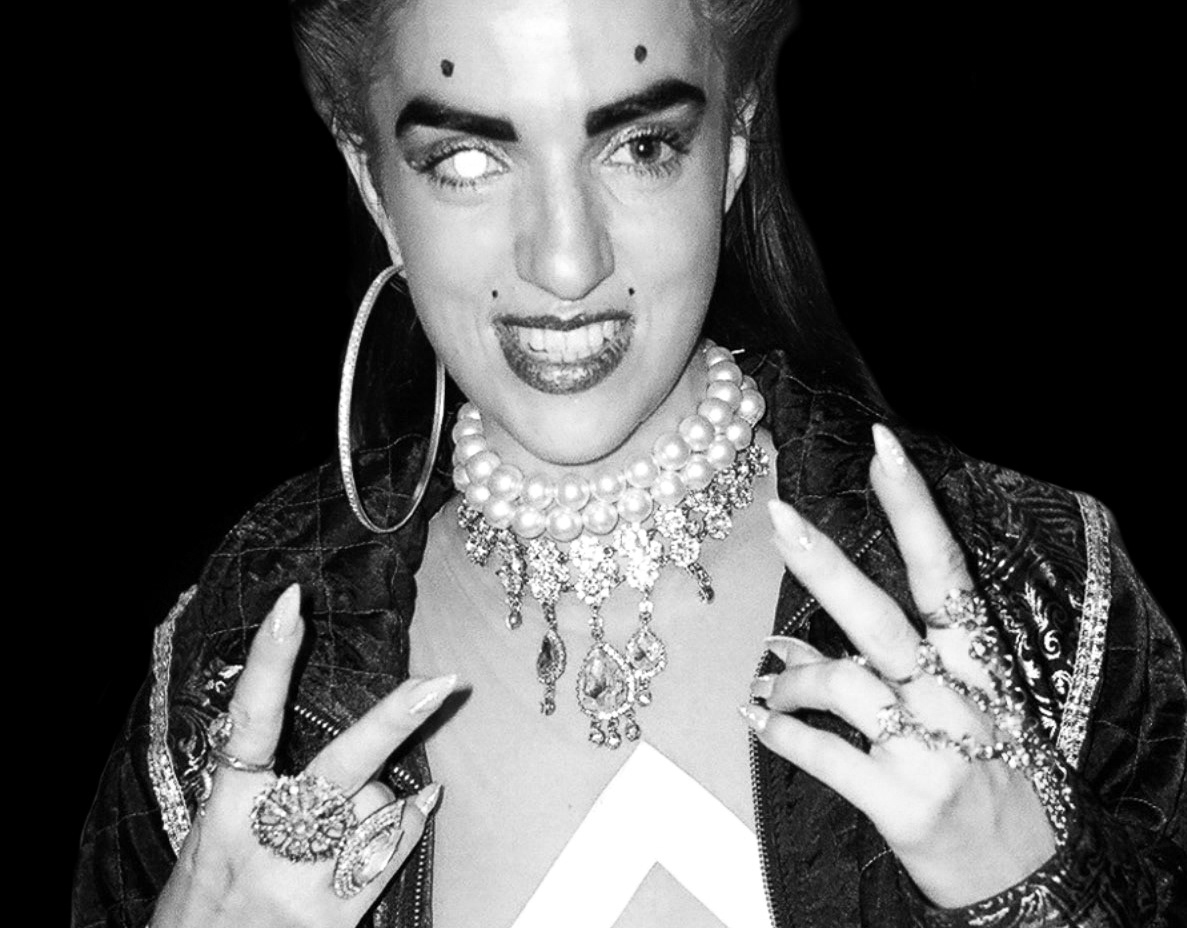
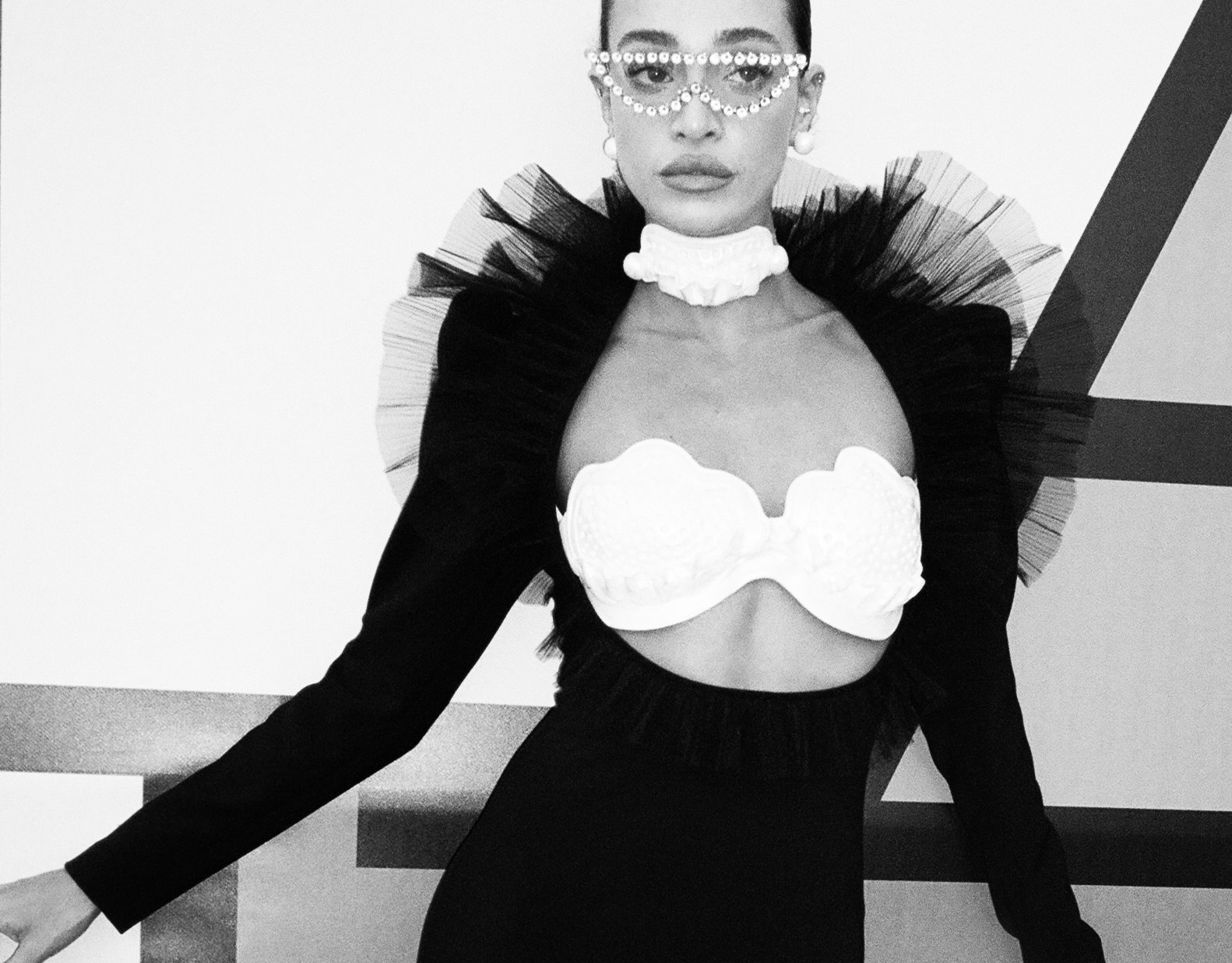
Artists and designers create beyond objects, garments, spaces, or visuals.
They create a visual universe.
They create a visual universe.
A mood. A rhythm. A point of view.
Behind every collection, artwork, sketch, texture, or finished piece, there is a person shaping the atmosphere around it: through taste, instinct, memory, process, and presence.
Personal branding imagery is where that world becomes visible.
It reveals the studio, the gestures, the materials, the quiet decisions, the movement between idea and form, and mostly the identity behind it all.
It reveals the studio, the gestures, the materials, the quiet decisions, the movement between idea and form, and mostly the identity behind it all.
For artists and designers, personal branding is not about posing for the camera.
And today, it is no longer limited to traditional photography.
And today, it is no longer limited to traditional photography.
Through carefully directed visual storytelling, whether photographed, digitally composed, or created with AI, it is possible to build an entire visual world around the artist’s identity, style, and vision.
A visual language that feels inseparable from the work itself.
A way to be seen.Remembered.
And understood before a single word is spoken.
And understood before a single word is spoken.
The Essence of Personal Branding Imagery
Personal branding imagery begins where the finished piece ends.
It is the atmosphere around the work.
The hands that shape it.
The materials on the table.
The light in the studio.
The way an artist looks at a canvas before making the next move.
The way a designer adjusts a garment until it finally carries the right tension.
The hands that shape it.
The materials on the table.
The light in the studio.
The way an artist looks at a canvas before making the next move.
The way a designer adjusts a garment until it finally carries the right tension.
For artists and designers, visual branding is about allowing the world behind the work to become part of the work’s story.
A customized visual concept can reveal what a portfolio alone often cannot:
the rhythm of the process, the instinct behind the choices, the personal language, the quiet obsession with detail.
the rhythm of the process, the instinct behind the choices, the personal language, the quiet obsession with detail.
It can feel intimate or cinematic.
Minimal or theatrical.
Raw, polished, surreal, precise.
Minimal or theatrical.
Raw, polished, surreal, precise.
The medium may change.
The intention stays the same.
The intention stays the same.
To turn presence into context.
And context into identity.
And context into identity.
The result is not just an image of the person.
It is a portrait of the creative world they are building.
It is a portrait of the creative world they are building.
Benefits of Customization
Personal branding imagery for an artist or designer should never feel generic.
It cannot be built from a fixed formula, because the work itself is never fixed.
One artist may need silence, texture, and close details.
Another may need movement, scale, color, and a sense of performance.
A designer may need the garment in motion, the fitting room, the sketchbook, the body, the tension between structure and softness.
Another may need movement, scale, color, and a sense of performance.
A designer may need the garment in motion, the fitting room, the sketchbook, the body, the tension between structure and softness.
Customization allows the images to follow the language of the work, not the other way around.
It creates a visual identity that feels specific.
Recognizable.
Impossible to confuse with someone else’s.
Recognizable.
Impossible to confuse with someone else’s.
The right images can show the face behind the work, but also the atmosphere around it: the studio, the process, the tools, the unfinished moments, the decisions that usually stay hidden.
This is where trust begins to form.
From letting people feel it.
Customized personal branding imagery also gives artists and designers a visual world they can return to again and again; across a website, portfolio, social media, exhibitions, press features, launch materials, and future collaborations.
The images become more than content. They become part of the brand’s memory.
A visual thread that connects the person, the process, and the work into one clear presence.
Crafting Your Customized
Personal Branding Imagery
A customized visual world begins long before the image is created.
It begins with looking closely at the work.
The shapes that repeat.
The colors that keep returning.
The spaces that feel natural.
The materials, references, habits, and small rituals that make the artist or designer instantly themselves.
The colors that keep returning.
The spaces that feel natural.
The materials, references, habits, and small rituals that make the artist or designer instantly themselves.
The setting is never just a background.
A studio filled with unfinished pieces says something.
A fitting room says something else.
A quiet corner, a gallery wall, a city street, a worktable covered in sketches; each one carries a different kind of presence.
A fitting room says something else.
A quiet corner, a gallery wall, a city street, a worktable covered in sketches; each one carries a different kind of presence.
In AI-assisted image creation, these choices become part of the direction.
The atmosphere.
The styling.
The body language.
The light.
The texture.
The distance between reality and imagination.
The styling.
The body language.
The light.
The texture.
The distance between reality and imagination.
Wardrobe and styling become part of the language too, as an extension of the creative identity.
A sharp jacket, a bare face, sculptural jewelry, worn-in denim, a dramatic silhouette, a stain of paint on the hand - these choices can say more than a paragraph ever could.
The strongest images often live in the in-between moments.
A glance before making a decision.
Hands adjusting fabric.
A brush resting for a second.
The concentration before movement.
The quiet confidence of someone fully inside their work.
Hands adjusting fabric.
A brush resting for a second.
The concentration before movement.
The quiet confidence of someone fully inside their work.
This is where the image becomes personal.
Not by forcing a pose, but by noticing what already exists.
The process.
The rhythm.
The tension.
The atmosphere.
The rhythm.
The tension.
The atmosphere.
For artists and designers, customized personal branding imagery is not about creating something impressive from the outside.
It is about building a visual world that feels true from the inside out.
Conclusion
For artists and designers, visibility is not only a matter of showing the work.
It is a matter of creating a language around it.
A world that carries the same rhythm, tension, emotion, and point of view as the work itself.
Customized personal branding imagery makes that world easier to enter.
It gives collectors, clients, galleries, collaborators, and audiences something more than a finished piece to look at.
It gives collectors, clients, galleries, collaborators, and audiences something more than a finished piece to look at.
It gives them a feeling. A presence. A visual memory.
Whether created through traditional photography, digital direction, or AI-assisted imagery, the goal remains the same:
to shape a visual identity that feels unmistakably connected to the person behind the work.
to shape a visual identity that feels unmistakably connected to the person behind the work.
Because an artist’s story does not live only in the final creation.
It lives in the atmosphere around it.
In the process.
In the choices.
In the world only they could build.
In the process.
In the choices.
In the world only they could build.
*****
From Frames to Fame:
The Visual Directions That Move You Forward
Recognition rarely begins with one perfect image.
It is built slowly, through a series of visual moments that allow people to understand the work, the process, and the person behind it.
For artists and designers, personal branding imagery can become a living archive:
a collection of scenes, portraits, textures, details, spaces, gestures, and unfinished moments that make the creative world easier to enter.
a collection of scenes, portraits, textures, details, spaces, gestures, and unfinished moments that make the creative world easier to enter.
Some images need to feel intimate.
Some need to feel cinematic.
Some need to hold silence, scale, movement, or tension.
Some need to feel cinematic.
Some need to hold silence, scale, movement, or tension.
Whether created through traditional photography, digital direction, or AI-assisted imagery, each visual direction has a different role.
Together, they create a fuller presence.
Not only showing what you make,
but shaping how your work is remembered.
but shaping how your work is remembered.
The Portfolio World
A portfolio is often the first place where the work meets the outside world.
But for artists and designers, it should be more than a clean presentation of finished pieces. It should carry atmosphere.
The scale of the work.
The details up close.
The way materials respond to light.
The dialogue between one piece and another.
The feeling of entering a body of work, not just scrolling through separate images.
The details up close.
The way materials respond to light.
The dialogue between one piece and another.
The feeling of entering a body of work, not just scrolling through separate images.
A strong portfolio visual world gives collectors, clients, galleries, editors, and collaborators a way to understand the range of your work — but also the sensibility behind it.
It creates a first impression that feels considered, specific, and unmistakably yours.
Behind the Process
The finished piece tells only part of the story.
The process often holds the part people remember most.
The table before it is cleared.
The sketch that almost disappeared.
The fabric before the final cut.
The hand covered in pigment.
The wall of references.
The moment where something is still unresolved.
The sketch that almost disappeared.
The fabric before the final cut.
The hand covered in pigment.
The wall of references.
The moment where something is still unresolved.
These images invite the audience into the making.
They reveal the rhythm of the work, the small decisions, the trial and error, the repetition, the concentration.
For artists and designers, process imagery gives depth to the final result.
It reminds people that the work did not simply appear.
It was built. Changed. Questioned.Refined. Felt.
Art in Context
Some work needs space around it.
A painting changes when it is seen on a gallery wall.
A sculpture changes when the body moves around it.
A garment changes when it enters light, architecture, or motion.
A design object changes when it is placed inside the world it was meant to live in.
A sculpture changes when the body moves around it.
A garment changes when it enters light, architecture, or motion.
A design object changes when it is placed inside the world it was meant to live in.
Context gives the work another kind of voice.
It shows scale, atmosphere, relationship, and presence.
For artists, this may be the exhibition space, the studio wall, the collector’s home, or a quiet installation moment.
For designers, it may be an interior, a runway-inspired scene, a styled room, a body in movement, or a constructed visual environment.
For designers, it may be an interior, a runway-inspired scene, a styled room, a body in movement, or a constructed visual environment.
In AI-assisted imagery, context can also become more imaginative.
A space can be built around the emotional tone of the work.
A scene can extend the mood of a collection.
A visual setting can make the identity feel larger, sharper, or more cinematic.
A scene can extend the mood of a collection.
A visual setting can make the identity feel larger, sharper, or more cinematic.
The goal is not to decorate the work.
It is to let the work breathe inside a world that belongs to it.
The Design Dossier
Design often lives across many forms.
A garment.
A room.
A chair.
A textile.
A brand object.
A sketch.
A prototype.
A finished collection.
A room.
A chair.
A textile.
A brand object.
A sketch.
A prototype.
A finished collection.
A design dossier brings these pieces together into one visual language.
It shows versatility, but not chaos.
Range, but not randomness.
Range, but not randomness.
For designers, this kind of imagery helps people understand how you think across materials, forms, spaces, and uses.
It allows a potential client or collaborator to see not only what you created, but how your eye moves from concept to detail, from structure to softness, from idea to object.
The strongest design imagery does not only document the project.
It reveals the intelligence behind it.
The Identity Portrait
A portrait does not have to explain who you are.
It should make people feel it.
For artists and designers, the strongest portraits are rarely just polished headshots.
They hold a certain presence.
They hold a certain presence.
A posture. A gaze.
A distance from the camera.
A gesture with the hands.
A piece of clothing that says something without trying too hard.
A surrounding that feels connected to the work.
A distance from the camera.
A gesture with the hands.
A piece of clothing that says something without trying too hard.
A surrounding that feels connected to the work.
The identity portrait places the person inside the same visual world as their creations.
It gives the audience a face, but more importantly, it gives them a feeling of recognition.
This is the person behind the work.
Not as a performance. Not as a costume. As presence.
The Collaborative Frame
Creative work often happens in conversation.
Between artist and curator.
Designer and stylist.
Maker and model.
Creative director and photographer.
Studio and client.
Material and hand.
Designer and stylist.
Maker and model.
Creative director and photographer.
Studio and client.
Material and hand.
Collaboration imagery shows the work as part of a larger creative ecosystem.
It captures exchange, movement, listening, adjustment, friction, and shared vision.
For artists and designers, this visual direction can be especially powerful when the brand is connected to community, production, craft, fashion, performance, or interdisciplinary work.
It shows that the creative identity does not exist in isolation.
It lives through dialogue.
The Branding Story
A branding story is the visual thread that connects everything.
The portrait.
The process.
The finished work.
The studio.
The materials.
The atmosphere.
The details people come to associate with you.
The process.
The finished work.
The studio.
The materials.
The atmosphere.
The details people come to associate with you.
This is where personal branding imagery becomes more than a set of beautiful images.
It becomes a system of recognition.
A visual rhythm people can identify across a website, social media, portfolio, press feature, exhibition announcement, launch campaign, or presentation deck.
For artists and designers, this consistency should never feel rigid.
It should feel alive.
Like the same world, seen from different angles.
Work in Progress
There is something powerful about work before it becomes final.
The unfinished stage often carries the most tension.
A half-built form.
A pinned fabric.
A painted layer drying.
A material test.
A composition that has not yet found its balance.
A piece standing between failure and breakthrough.
A pinned fabric.
A painted layer drying.
A material test.
A composition that has not yet found its balance.
A piece standing between failure and breakthrough.
Work-in-progress imagery gives the audience access to the becoming.
It shows devotion without needing to announce it.
It shows discipline without turning it into a slogan.
It shows the quiet labor behind what may later look effortless.
It shows discipline without turning it into a slogan.
It shows the quiet labor behind what may later look effortless.
For artists and designers, these images can become some of the most intimate parts of the brand.
Because they reveal the place where the work is still alive, still changing, still asking to become something more.
Closing
From the first sketch to the final presentation, every artist and designer leaves behind a trail of visual moments.
Some are polished.
Some are raw.
Some are quiet.
Some are meant to be seen.
Some are raw.
Some are quiet.
Some are meant to be seen.
Together, they shape memory.
Personal branding imagery allows the audience to move closer:
to the work, to the process, to the atmosphere, and to the person building it all.
to the work, to the process, to the atmosphere, and to the person building it all.
Whether created through photography, digital composition, or AI-assisted visual direction, the purpose remains the same:
To build a visual creative landscape that feels specific enough to be recognized and honest enough to be remembered.
*****
Want to receive an update on the following article?
Join the inner circle